
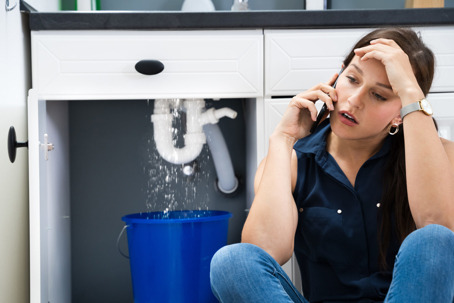
Not every plumbing problem is a plumbing emergency, but some absolutely are. The difference between a true emergency and an inconvenient but non-urgent repair comes down to a single question: is this situation actively causing damage to your property or creating a health or safety risk right now? If the answer is yes, it is an emergency. If the answer is no, it can be scheduled for the next business day without serious consequence. Getting this distinction right matters. Calling for emergency service when it is not necessary is a preventable expense. More importantly, waiting on a situation that is a genuine emergency can turn a contained repair into a major remediation project. Water damage currently accounts for nearly 28 percent of all homeowners insurance claims in the United States, with average claim costs exceeding $13,000 according to data from the Insurance Information Institute. Many of those claims begin as a situation a homeowner chose to wait on. This guide gives you a clear decision framework for every plumbing scenario, along with what to do in each case. For immediate emergency assistance, Rick’s emergency plumbing service is available across New Haven and Fairfield Counties.
The Litmus Test for a Plumbing Emergency
Before running through individual scenarios, apply this framework to any plumbing situation you are facing.
| Ask Yourself | Implication |
| Is water actively flowing where it should not be? | If yes: emergency. Shut off the water and call immediately. |
| Is sewage visible or backing up into living areas? | If yes: emergency. Leave the area and call immediately. |
| Do you smell gas or sewer gas inside the building? | Gas smell: evacuate and call the gas company first. Sewer gas: call a plumber same day. |
| Is the problem getting worse by the minute? | If yes: act now. Do not wait to see if it stabilizes. |
| Does the problem affect your ability to use the home safely? | Complete loss of water or non-functional toilet with no alternative: same day or emergency. |
| Is this an inconvenience rather than active damage? | Dripping faucets, running toilets, slow drains: schedule for next available appointment. |
True Plumbing Emergencies: Call Immediately
Burst or Actively Leaking Pipes with Water Flowing
A pipe that has burst or cracked and is releasing water continuously is a genuine emergency. Water from a supply line under pressure can release dozens of gallons in a matter of minutes, saturating walls, floors, and ceilings. The longer the water runs, the deeper it travels into structural materials. In a multi-story home, water on an upper floor is water in the ceiling of the floor below.
First action: Locate your main water shutoff valve and turn it off immediately. In most Connecticut homes, this valve is near the water meter, typically in the basement or a utility room. If you do not know where it is, find it now, before an emergency occurs. After shutting off the water, call (475) 271-1244 for emergency plumbing service.
Sewage Backup Into Living Areas
When sewage or wastewater backs up into a basement floor drain, a shower, a tub, or toilet on a lower floor, the situation is both a plumbing emergency and a health concern. Backed-up sewage contains bacteria and pathogens that require proper handling and cleanup. Do not attempt to clean up sewage backup yourself without appropriate protective equipment.
The cause is typically a main sewer line blockage, a collapsed or crushed sewer pipe, or heavy rainfall overwhelming a combined sewer system. A
professional sewer repair service is required to clear the line, inspect it for damage, and verify the system is functioning safely before the affected area can be used.
Gas Leak
If you smell the distinct odor of mercaptan (the rotten egg smell added to natural gas and propane for detection), do not operate light switches, use a phone inside the building, or light any flame. Evacuate everyone from the building immediately. Call your gas company’s emergency line from outside or from a neighbor’s home. After the gas company has secured the supply, a licensed gas leak repair specialist will be needed to inspect and repair the affected lines before gas service is restored.
Complete Loss of Water (With No Municipal Outage)
A sudden and complete loss of water throughout the home with no municipal water outage in your area may indicate a major break in your service line between the street and your home, or a significant internal pipe failure. Check with your local utility before calling a plumber. If no outage is reported, this warrants a same-day or emergency call. Rick’s provides leak detection services to locate the failure point.
Toilet Overflowing with No Ability to Shut Off
A toilet that is overflowing and cannot be controlled by turning off the supply valve is an emergency because of the potential for water damage to the floor, subfloor, and the area below. Turn off the main shutoff if the supply valve does not respond and call a plumber immediately.
Ceiling or Wall Showing Active Water Drips or Bubbling
Water appearing on a ceiling or bulging from a wall indicates a pipe failure or appliance overflow in the space above. Do not attempt to poke or open the ceiling. Water pooling inside a wall or ceiling can weaken structural elements quickly. Shut off the water supply and call a plumber. In a multi-story home, also check for the source on the floor above.
Issues That Can Wait Until Morning (Or the Next Available Appointment)
Many plumbing problems feel urgent but do not require an emergency call. These situations are important to address promptly in a scheduled appointment, but they are not causing active damage right now.
Dripping Faucets
A dripping faucet wastes water over time and should be repaired, but it is not an emergency. The water is contained to the sink or tub and is not causing structural damage. Schedule a service call at the next available time.
Running Toilet
A toilet that runs continuously or cycles on and off between flushes indicates a flapper or fill valve issue. Water is going down the drain, which wastes utility resources, but it is not causing property damage. This is a same-week repair, not an emergency.
Slow Drains
A drain that is moving slowly is a warning sign of developing buildup, but as long as water is flowing (even slowly), it is not an emergency. Schedule a professional drain cleaning in the next few days to prevent it from fully blocking.
Low Water Pressure (Gradual)
Gradual pressure reduction over weeks or months usually points to mineral scale buildup in aerators, pipes, or fixtures. This is a scheduled service, not an emergency. If pressure drops suddenly and completely, that changes the assessment.
Minor Fixture Leak (Contained)
A small drip at a supply line connection under a sink, where the water is contained in the cabinet below and is not reaching the floor or subfloor, is not an immediate emergency. Place a container to collect drips and schedule a repair within one to two days.
Water Heater Producing Inconsistent Temperatures
Warm water, inconsistent temperatures, or a water heater that is taking longer than usual to recover are signs the unit needs service or replacement. This is not an emergency as long as water is not leaking from the unit. However, if the water heater is actively leaking from the tank body or connections, it becomes urgent.
First Steps to Take in Any Plumbing Emergency
- Shut off the water supply. If the leak is at a fixture, use the supply valve at that fixture. For a major break, use the main shutoff valve. Know where yours is now, before you need it.
- Turn off the water heater. If you shut off the main supply, turn off the water heater as well to prevent damage to the heating element or tank from operating without water.
- Document the situation. Take photos or video before cleanup begins. Your insurance company and plumber will both benefit from a visual record of the condition when it was discovered.
- Do not use the affected area. Keep the area clear until a licensed plumber has assessed and repaired the source.
- Call a licensed plumber. For emergencies, call (475) 271-1244 to reach Rick’s Plumbing. Describe what you are seeing, whether you have shut off the water, and whether there is any odor or visible structural damage.
What Connecticut Homeowners Should Know
Connecticut’s housing stock includes a significant proportion of homes built before 1980, particularly in communities throughout New Haven and Fairfield Counties. Homes of this era contain plumbing systems with galvanized steel, early copper, and cast iron components that have been in service for decades. Supply line connections to older fixtures can fail without warning, particularly in summer when temperature changes cause materials to expand and contract. Connecticut also sees significant storm activity in summer, including the potential for tropical storms noted in the 2026 seasonal forecast. A storm that saturates the ground quickly can stress sewer systems and cause backup events that are genuine emergencies requiring prompt response. Homeowners who maintain their plumbing proactively, including having drain systems inspected and supply lines checked annually, are significantly less likely to face a middle-of-the-night emergency. For emergency plumbing resources and licensing verification, Connecticut homeowners can reference the Connecticut Department of Consumer Protection plumbing licensing board to confirm any contractor they hire holds current state credentials.
When to Call Rick’s Plumbing for a Plumbing Emergency in Connecticut
Rick’s Plumbing Service, Inc. serves homeowners and businesses throughout New Haven and Fairfield Counties. We hold Connecticut plumbing license P1-204379, specialty licenses S1-38776, F1-40226, ST1-400482, and HIC-0611483, and are fully insured with general liability and workers compensation coverage. Our team is BBB Accredited with an A+ rating. For emergency plumbing situations that match the criteria in this guide, call (475) 271-1244 immediately. Our team will assess the situation, provide guidance while you wait, and dispatch a licensed technician to restore safe conditions in your home. You can read verified reviews from Connecticut homeowners through our Google Business profile before calling.
FAQs About Plumbing Emergencies
What is the definition of a plumbing emergency?
A plumbing emergency is any situation that poses an immediate risk of property damage, health hazard, or safety threat that cannot wait for a scheduled appointment. Burst pipes releasing water, sewage backup in living areas, suspected gas leaks, and complete loss of water are examples of true plumbing emergencies.
Is a dripping faucet a plumbing emergency?
No. A dripping faucet wastes water and should be repaired, but it is not an emergency. It is not causing active damage to your property and can be addressed in a scheduled appointment.
Is a running toilet a plumbing emergency?
No, unless it is overflowing and cannot be controlled. A toilet that runs continuously between flushes is a maintenance issue that wastes water but does not create immediate property damage. Schedule a repair within the next few days.
What should I do first when a pipe bursts?
Turn off the water supply immediately. If the break is near a fixture, use the supply valve at that fixture. For a major break, use the main shutoff valve for the entire home. After shutting off the water, call a licensed plumber for emergency service.
Is a gas smell a plumbing emergency?
Yes, and it requires a specific response. If you smell gas inside your home, leave the building without operating any electrical switches. Call your gas company’s emergency line from outside. After they secure the gas supply, a licensed plumber is needed to repair the gas line before service is restored.
What happens if I ignore a slow drain?
A slow drain is often the first sign of developing buildup or a partial blockage. Left unaddressed, most slow drains progress to complete blockages and eventually backups. Addressing a slow drain early through professional cleaning is far simpler and less disruptive than waiting for a full backup.
Is sewage in my basement a plumbing emergency?
Yes. Sewage backup into living areas is a plumbing emergency and a health concern. The area should be avoided and a licensed plumber called immediately. Do not attempt to clean up sewage backup without professional guidance and appropriate protective equipment.
What does water on a ceiling mean?
Water appearing on a ceiling usually indicates a pipe failure, appliance leak, or overflowing fixture in the space directly above. This is urgent. Shut off the water supply and call a plumber. Do not attempt to poke or break open the ceiling, as this can cause further water to release unexpectedly.
Is low water pressure an emergency?
Gradual low water pressure is not an emergency. Sudden and complete loss of water pressure, particularly throughout the entire home, may indicate a main line break and warrants a same-day call.
Does homeowners insurance cover plumbing emergencies?
Homeowners insurance typically covers sudden and accidental water damage, such as a burst pipe. It generally does not cover gradual damage from slow leaks that the homeowner could have detected and addressed earlier. Document everything before beginning cleanup and contact your insurance agent promptly after any water damage event.
Where is my main water shutoff valve?
In most Connecticut homes, the main shutoff valve is near the water meter, typically in the basement, utility room, or a mechanical closet. Locating and testing this valve before an emergency occurs is one of the most practical steps a homeowner can take. If you cannot find it, ask during your next plumbing service call.
Is a water heater leak an emergency?
A water heater that is actively leaking from the tank body or its connections requires urgent attention. A large or rapid leak should be treated as an emergency. A slow drip from a connection fitting can be assessed more calmly, but should still be addressed within one to two days to prevent floor and structural damage.
What is the difference between an urgent repair and a plumbing emergency?
An emergency involves active damage or health risk happening right now and requires immediate response. An urgent repair is a problem that should be addressed soon, within one to three days, but is not currently causing worsening damage. A burst pipe is an emergency. A slow drain is urgent.
Should I try to fix a plumbing emergency myself?
For true emergencies, the only appropriate DIY step is shutting off the water supply. Attempting to repair burst pipes, sewage backups, or gas lines without proper licensing and equipment can worsen the situation and may void your homeowners insurance coverage for the resulting damage. Call a licensed plumber.
How do I reach Rick’s Plumbing for an emergency in New Haven or Fairfield County?
Call Rick’s Plumbing Service, Inc. at (475) 271-1244 for emergency plumbing service across New Haven and Fairfield Counties. Our licensed, insured team will respond promptly, assess the situation, and restore safe conditions in your home. Rick’s has been Connecticut’s trusted plumbing service since 1992.
When It Is a Real Emergency, Rick’s Plumbing Is Ready.
Rick’s Plumbing Service, Inc. provides emergency plumbing services to homeowners and businesses across New Haven and Fairfield Counties. Licensed under Connecticut P1-204379, fully insured, and BBB Accredited with an A+ rating. When a plumbing emergency strikes, call (475) 271-1244 without delay. For non-emergency repairs and annual maintenance, our team is equally available to keep your system running before problems develop. Read verified homeowner reviews on HomeAdvisor or Google before calling. For insurance and water damage guidance, the Insurance Information Institute provides a helpful homeowner resource.