



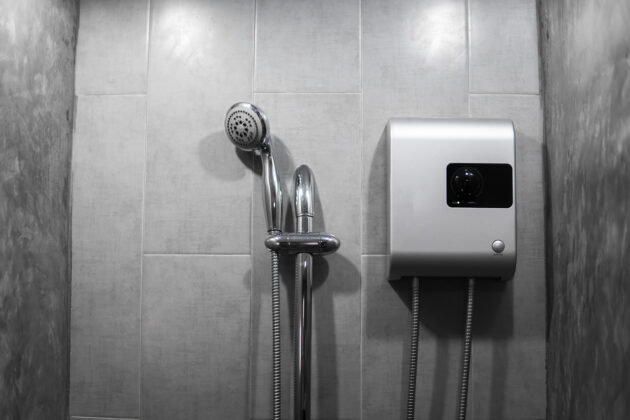
How Venting Design Impacts Tankless Water Heater Safety and Long-Term Reliability
Tankless water heaters have become a popular choice for homeowners who want steady hot water without storing gallons of heated water in a large tank. They save space, respond fast, and can work very well for busy households. Still, one part of the system does…
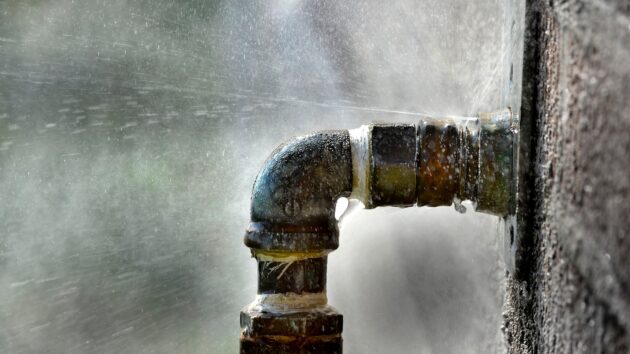
Why Small Hidden Leaks Cause Bigger Structural Damage Than Many Major Pipe Bursts
A burst pipe gets attention fast. Water pours out, floors get soaked, and the problem becomes impossible to ignore. Homeowners act quickly because the damage looks serious right away. A small hidden leak works very differently. It stays quiet, slow, and easy to miss. That…
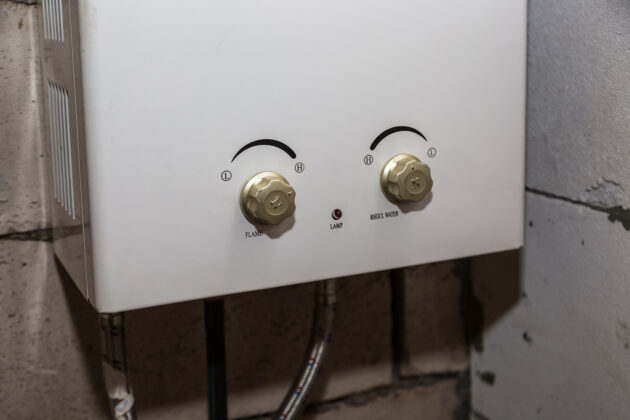
Tankless Water Heater Keeps Shutting Off During Use: Common Flow and Venting Causes
A tankless water heater should deliver steady hot water while you shower, wash dishes, or run a load of laundry. So when the unit starts, warms up, and then shuts off in the middle of use, it gets frustrating fast. You may get hot water…
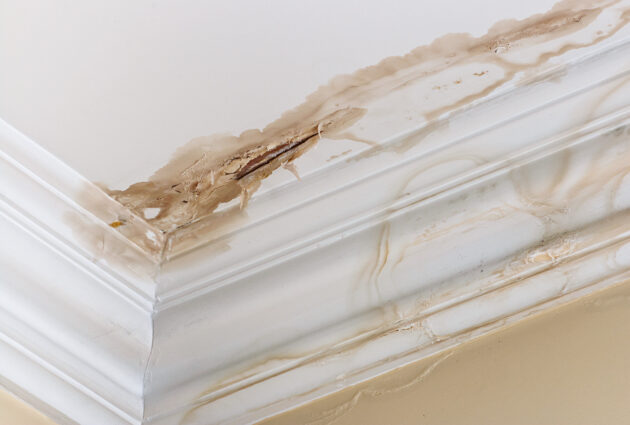
Hidden Leak or Condensation Problem? How to Tell the Difference Before Repairs Start
Water where it should not be always gets attention. You notice a damp cabinet floor, a stain on drywall, moisture on a pipe, or a musty smell near a bathroom wall. The first thought is usually the same: “I must have a leak.” Sometimes that…
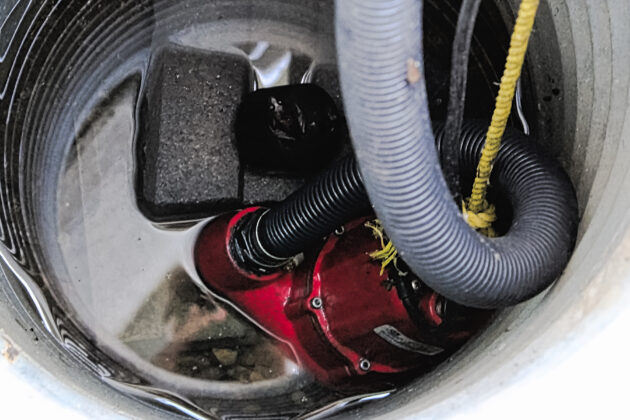
Sump Pump Discharge Lines: Where the Water Should Go and What Causes It to Come Back
A sump pump protects your basement by moving unwanted groundwater away from your home. Most homeowners focus on the pump itself. Few think about the discharge line that carries the water outside. That pipe plays a huge role in whether your system actually protects your…
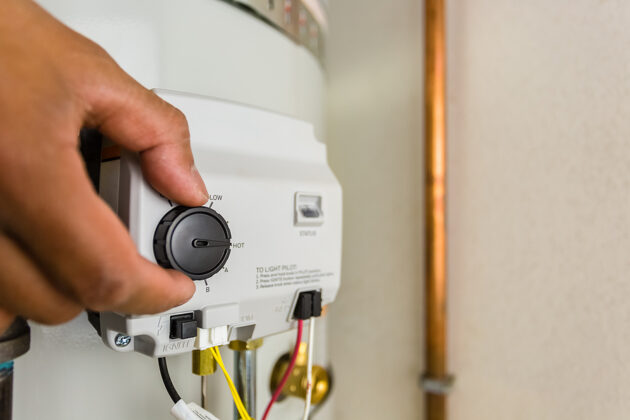
Why Water Heaters Need Proper Expansion Control in Closed Plumbing Systems
Hot water makes daily life comfortable. Showers, laundry, dishes, and cleaning all depend on a steady supply. Most homeowners in Milford, CT and across New Haven and Fairfield Counties focus on the water heater itself. Few think about what happens inside the pipes after the…
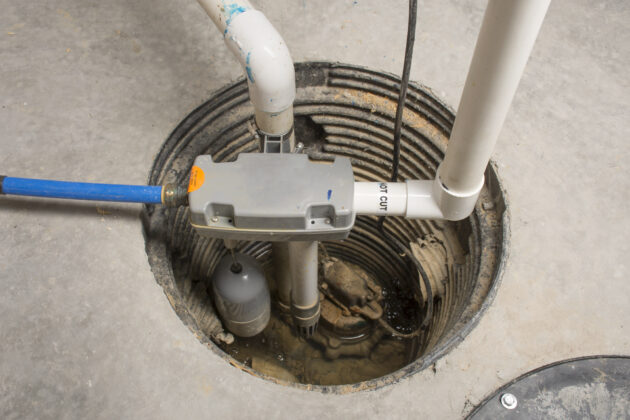
Basement Still Gets Water with a Working Sump Pump: The Hidden Failure Points
You hear your sump pump kick on. You see it discharge water outside. Everything sounds normal. Yet after a heavy rain, you walk downstairs and find water on the basement floor. This situation frustrates many homeowners in Milford, CT and across New Haven and Fairfield…
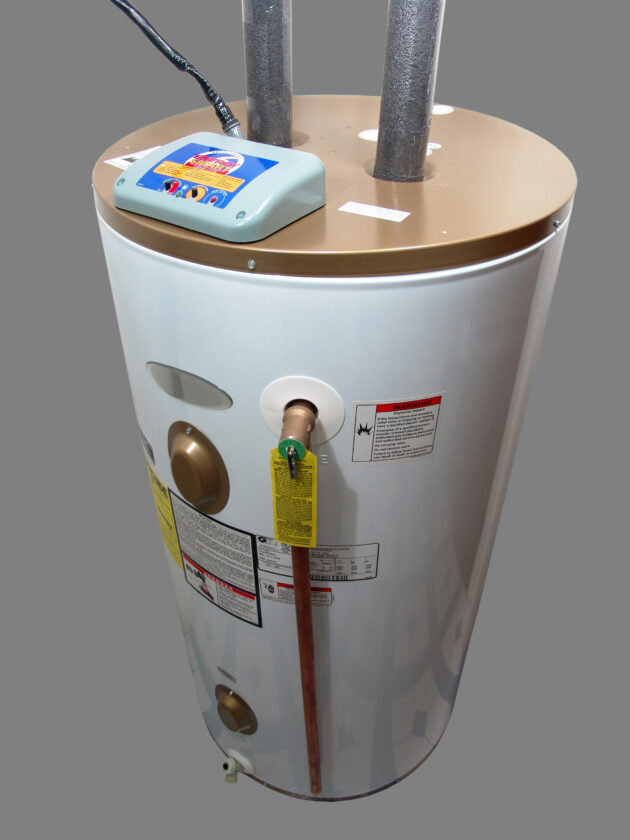
Hot Water Smells Metallic or Musty: How Water Quality and Heater Parts Affect Odor
You turn on the shower, and instead of clean steam, you notice a strange smell. Maybe it reminds you of pennies. Maybe it smells damp, stale, or slightly sour. Cold water seems fine, but once the hot water flows, the odor shows up. Many homeowners…
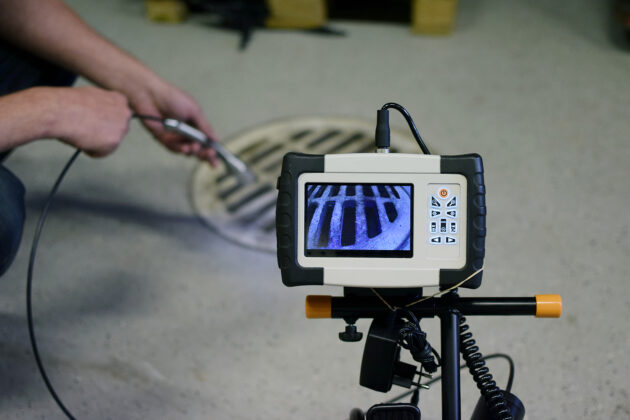
How Camera Inspections Confirm Whether Root Damage Is Structural or Surface-Level
Tree roots cause some of the most confusing sewer problems homeowners face. A drain backs up, a toilet bubbles, or sewage smells appear outside. A quick root cutting might restore flow, but the problem returns months later. At that point, many people wonder whether roots…
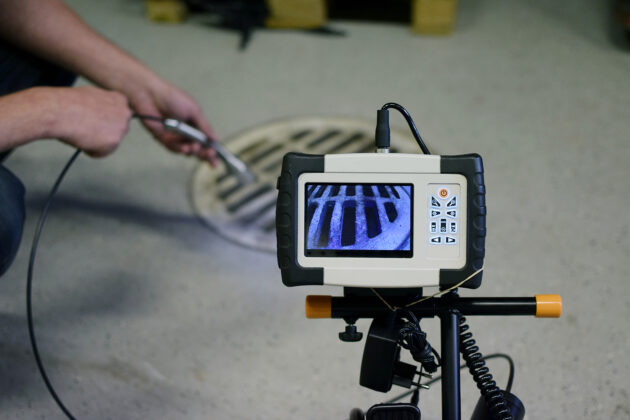
How Sewer Camera Inspections Expose Long-Term Risks Hidden Behind Temporary Fixes
Many sewer problems feel solved once water starts flowing again. A clog clears, the backup stops, and life moves on. The trouble is that many of these quick fixes only address what sits closest to the surface. Deep inside the sewer line, damage often continues…