


Why Hydrojetting Can Fail When Pipe Walls Have Internal Delamination
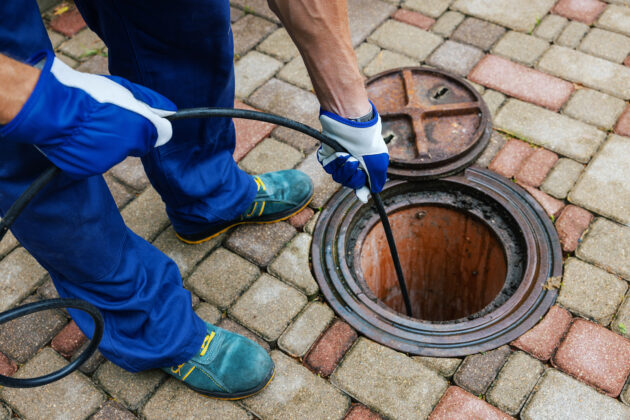
Hydrojetting ranks as one of the most powerful drain cleaning methods available. High-pressure water strips grease, sludge, and buildup from pipe walls and restores full flow in many systems. Homeowners often expect hydrojetting to solve chronic drain problems permanently. Sometimes it does not. In certain…
When Hydrojetting Improves Drain Performance More Than Mechanical Cleaning
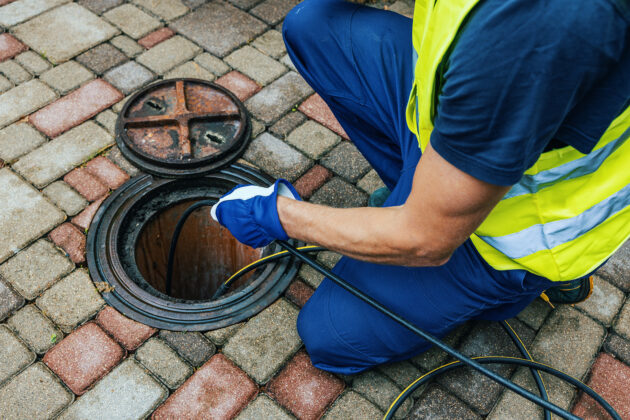
Most drain problems start small. A sink drains slower than usual. A shower backs up every now and then. A floor drain gurgles after heavy use. Many homeowners assume a basic drain snake will fix the issue, and sometimes it does. Other times, the problem…
Why Drain Cleaning Results Depend on Fixture Grouping, Not Pipe Length
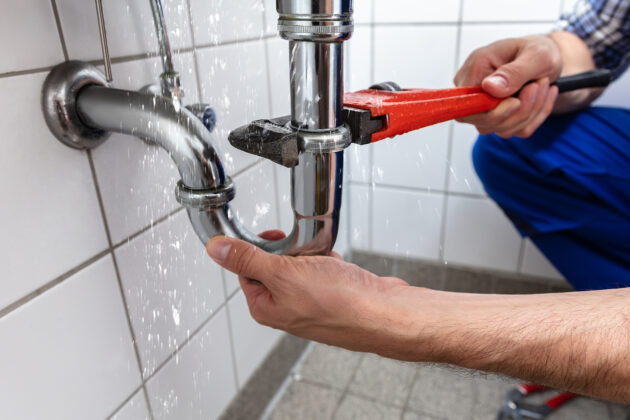
Many homeowners believe drain problems come down to pipe length. A long pipe must clog more easily than a short one, right? That idea sounds logical, but real-world plumbing does not work that way. Drain cleaning success depends far more on how fixtures connect and…
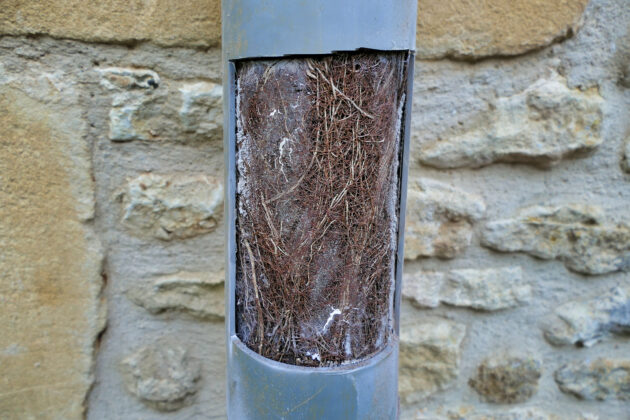
How Partial Drain Blockages Create Air Lock Conditions Inside Plumbing Systems
Many plumbing problems do not start with a full clog. They begin quietly with a partial blockage that allows water to drain slowly but disrupts airflow inside the pipes. Homeowners often describe the symptoms as strange noises, bubbling fixtures, or water that hesitates before draining….
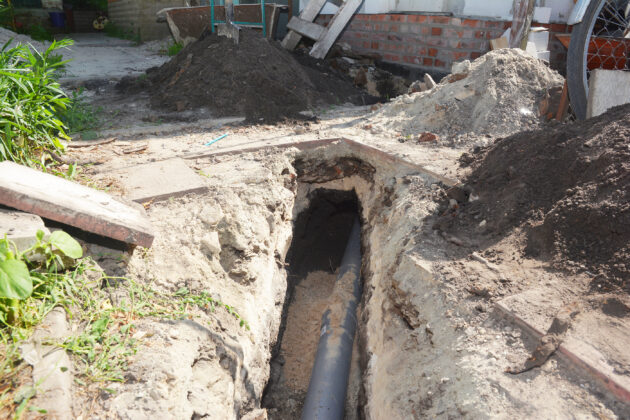
Why Sewer Repairs Fail Without Addressing Transition Points Between Pipe Materials
Sewer repairs frustrate homeowners more than almost any other plumbing job. A repair gets done, the yard gets fixed, the line flows again, then months later the same warning signs come back. Slow drains return. Odors creep up. Backups happen without warning. Many people assume…
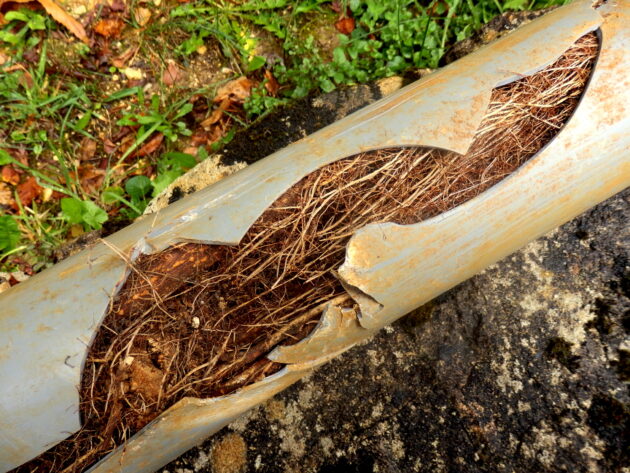
How Tree Root Removal Can Accelerate Sewer Failure Without Structural Repair
Tree roots and sewer pipes have a long history of conflict, especially in older neighborhoods across Milford, New Haven, and Fairfield Counties. Mature trees search for moisture, and sewer lines often provide the perfect target. Many homeowners feel relief once roots get cleared from a…
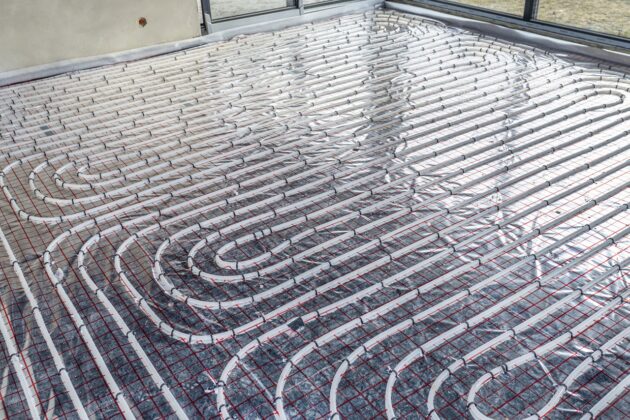
How Load Calculations Change After Switching From Oil to Gas Heating and Why It Matters for System Sizing
Upgrading from an oil system to a natural gas system feels simple on the surface, but the math behind heating performance shifts in a pretty big way. A home that felt warm and steady with an oil burner may react differently with a gas-fired unit…
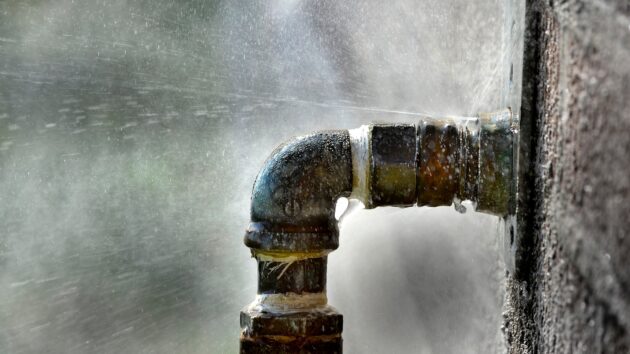
How Temperature Swings Create Micro Fractures in Piping That Lead to Sudden Burst Events
Cold snaps and warm spells hit homes across Milford, New Haven County, and Fairfield County hard every year. Most people focus on the risk of frozen pipes only during deep winter, but damage actually develops long before a pipe ever freezes solid. Pipes take a…
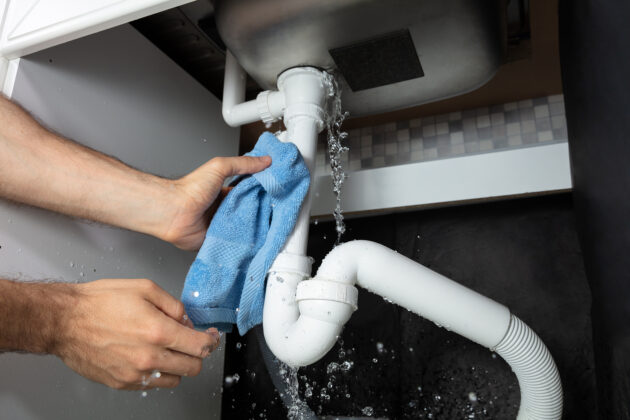
Why Emergency Plumbers Test Fixture Groups Instead of Individual Lines During Critical Diagnostics
Plumbing emergencies rarely affect just one part of the home. A toilet backup, a sudden leak, or a no-drain situation may look isolated, but the issue often reaches deeper into the drainage network. Emergency plumbers run tests that check how entire fixture groups behave, not…
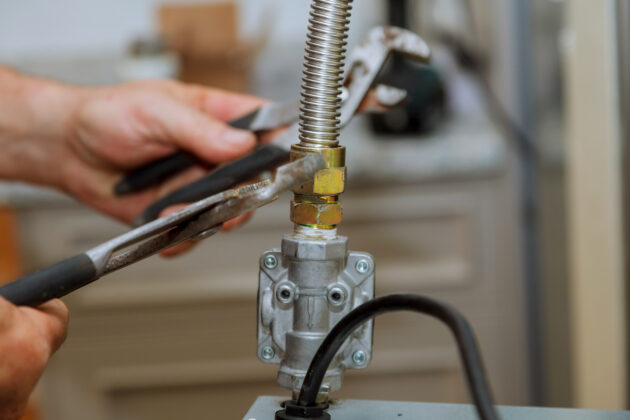
Common Gas Line Layout Mistakes During Conversion and How They Impact System Stability
Switching from oil heat to natural gas often feels like a simple upgrade, but the gas line layout creates the foundation that determines how safe, stable, and efficient the new system runs. Homeowners see the finished boiler or water heater, but they rarely see the…